Texas dog bite incidents often hinge on principles of shared responsibility, where comparative negligence shapes outcomes in civil claims. Courts apply this doctrine to apportion fault between the dog owner and the injured party, ensuring equitable damage awards. An Austin dog bite lawyer frequently encounters scenarios where a victim’s actions influence liability under these rules.
The framework derives from Texas Civil Practice and Remedies Code Chapter 33, which governs proportionate responsibility in tort actions. This statute mandates that juries assign percentages of fault to all involved parties, reducing recovery proportionally unless the plaintiff exceeds 50% culpability. Dog bite cases fold into this system, blending animal control statutes with negligence standards for precise fault determination.
Understanding Comparative Negligence Basics
Comparative negligence emerged as a fairer alternative to contributory negligence, allowing partial recovery despite plaintiff fault. Texas adopts the modified version, known as the 51% bar rule, barring claims only if the injured party’s fault surpasses 50%. In dog bite litigation, this means even minor victim contributions—like ignoring warnings—can diminish awards but seldom eliminate them entirely.
This principle traces to common law evolution, codified to address multi-party disputes common in personal injury matters. Judges instruct juries to weigh evidence of each side’s conduct against objective reasonableness standards. For instance, a dog owner’s failure to leash contrasts with a pedestrian’s teasing, yielding fault percentages that dictate final compensation.
Application demands rigorous proof, often through witness accounts, surveillance, and expert testimony on animal behavior. Courts scrutinize timelines: did the owner breach a duty first, or did provocation precede the attack? Such analysis prevents overpunishment while upholding accountability, a balance central to Texas jurisprudence.
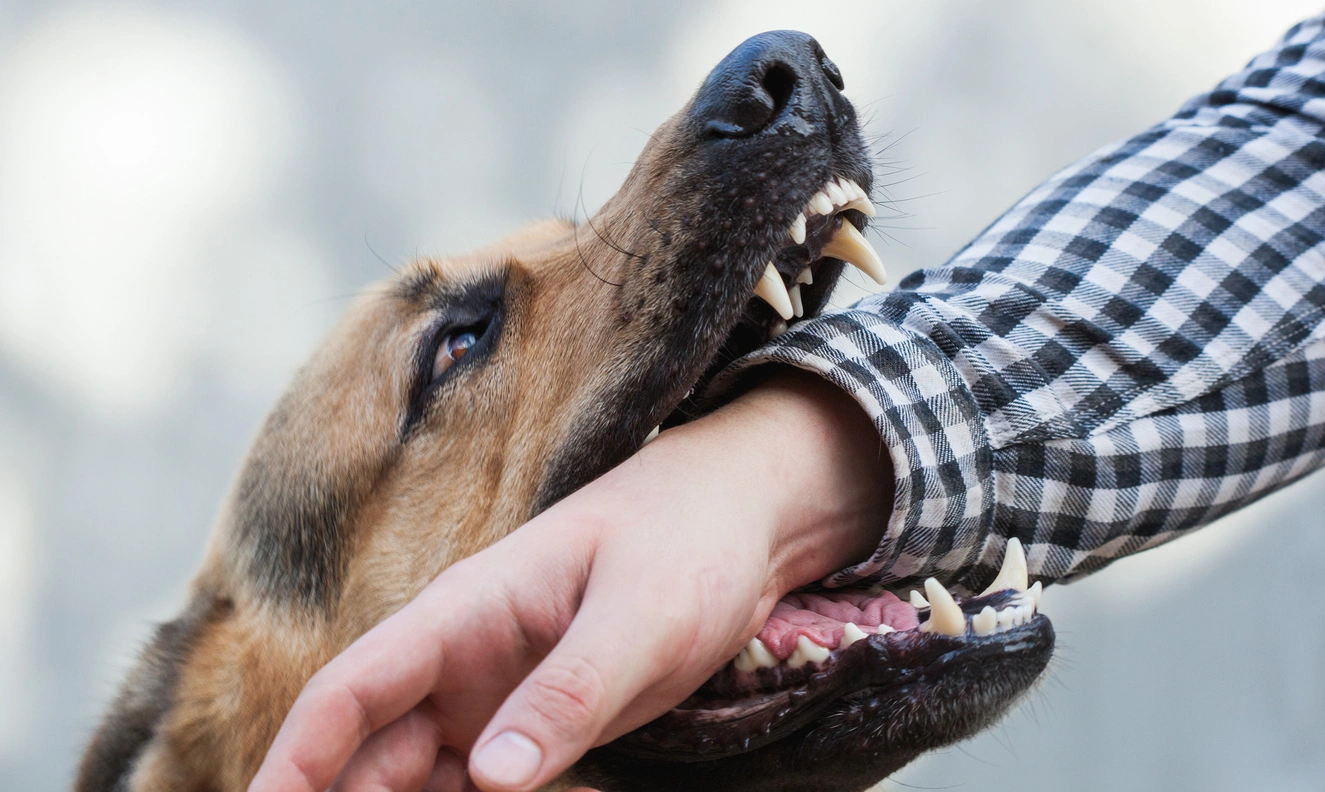
Texas Dog Bite Liability Framework
Texas eschews strict liability statutes for dog bites, relying instead on the “one-bite rule” from common law. Under this, owners face strict liability only if prior vicious propensities were known or should have been known, as established in cases like Marshall v. Ranne. Absent that, negligence claims dominate, requiring proof of breached duty, causation, and damages.
Health and Safety Code Chapter 822 regulates dangerous dogs, defining them as those causing serious injury through unprovoked attacks. Owners must register such animals, secure enclosures, and comply with local ordinances, with violations triggering negligence per se. These provisions intersect with comparative fault, as courts assess if regulatory breaches outweigh victim actions.
Negligence per se arises when owners flout leash laws or allow at-large dogs, per municipal codes enforced statewide. Plaintiffs leverage these breaches to shift primary fault to defendants, though comparative rules still adjust for shared lapses. This layered approach reflects Texas’s emphasis on evidence-driven resolutions over blanket rules.
How Comparative Negligence Applies to Dog Bites
In practice, juries parse incidents into fault percentages, reducing damages by the plaintiff’s share. A victim found 30% at fault recovers 70% of proven losses, covering medical bills, lost wages, and pain. This proportionality tempers awards without absolving negligent owners, promoting measured justice.
Consider a scenario where a leashed dog slips its collar due to owner inattention, biting a jogger who veers abruptly into its path. Evidence might assign 70% fault to the owner for poor control and 30% to the jogger for imprudent movement. Such allocations demand Austin dog bite lawyer expertise in reconstructing events through depositions and forensics.
Trespasser status amplifies victim fault under premises liability overlays, as Chapter 822 exempts attacks on unauthorized entrants over age eight in secure enclosures. Courts weigh enclosure adequacy—fencing height, signage—against intruder intent, often tipping scales toward defendants. Yet, owner negligence in maintenance can counterbalance, yielding split fault.
Common Victim Fault Scenarios
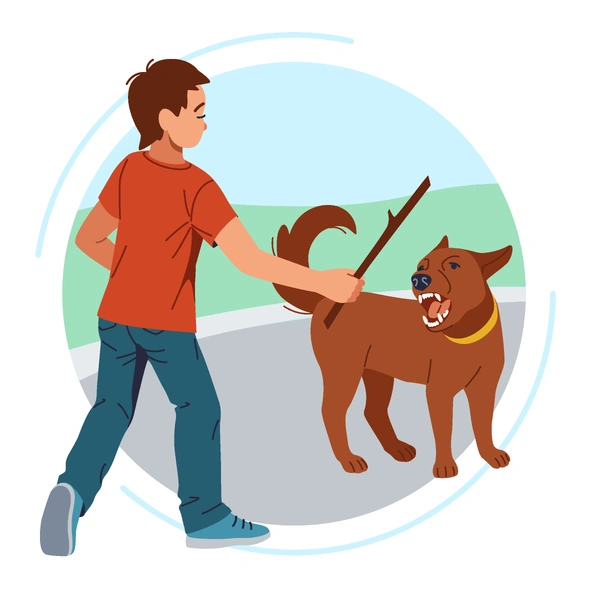
Provocation ranks foremost, encompassing teasing, tail-pulling, or sudden approaches that incite bites. Texas courts recognize these as superseding causes if unprovoked history lacks, slashing plaintiff recovery sharply. Witnesses or video often prove such acts, underscoring the need for immediate scene preservation.
Ignoring visible dangers—like “beware of dog” signs or unleashed pets—constitutes another fault vector. Juries deem reasonable persons to avoid hazards, assigning 20-40% fault accordingly. In urban settings like Austin parks, where off-leash norms vary, contextual evidence clarifies expectations.
Children under eight receive leniency, as their imprudence presumes lower fault per statute. However, parental supervision failures can impute secondary liability, complicating allocations. These nuances highlight why experienced counsel dissects family dynamics alongside animal records.
Owner Defenses and Counterarguments
Owners counter with evidence of compliance: vaccination records, training certifications, or prior calm behavior. The one-bite rule shields first incidents absent notice, forcing plaintiffs to unearth propensity proof via veterinary logs or complaints. Comparative analysis then pivots to victim conduct dominance.
Self-defense claims arise if dogs protect property from theft or assault, statutorily insulated. Courts validate leashed status and proportional response, minimizing owner exposure. In multi-dog households, apportioning fault among animals tests evidentiary rigor.
Criminal overlays under Lillian’s Law escalate for reckless owners post-notice, yet civil comparative rules persist independently. This duality demands parallel tracks: fault percentages for damages, intent proofs for penalties.
Statutory Foundations in Detail
Texas Civil Practice and Remedies Code §33.001 mandates fault findings for all claimants and settling parties. Juries submit percentages totaling 100%, with plaintiffs barred beyond 50%. Dog bites invoke this via negligence or strict claims, ensuring holistic responsibility.
Health and Safety Code §822.005 criminalizes negligence for known dangerous dogs at large, complementing civil recovery. Reporting mandates under §826.041 to local rabies authorities trigger quarantines, yielding investigatory data for fault disputes. Details on procedures appear on the Texas Department of State Health Services rabies control page, outlining victim obligations post-bite.
Local Austin codes reinforce, fining leash violations that precipitate attacks. These layered statutes furnish negligence per se hooks, bolstering owner liability unless victim fault predominates.
Case Law Illustrations
In hypothetical Jane v. Tom, where a pedestrian steps on a tail amid owner leash lapse, courts might allocate 20% to Jane’s misstep and 80% to Tom’s control failure. Damages reduce modestly, affirming owner primacy. Real parallels echo in Bushnell v. Mott, where multi-dog assaults parsed owner restraint duties against intruder risks.
Marshall v. Ranne cemented the one-bite rule, holding prior growls as notice for strict liability. Comparative overlays adjusted for victim arm-waving, illustrating blended application. Such precedents guide Austin dog bite lawyer strategies in Travis County dockets.
Recent rulings clarify provocation thresholds: mere petting suffices if history shows aversion. Juries, per instructions, quantify via reasonableness, yielding nuanced verdicts.
Evidence Gathering Strategies
Photographs, medical timelines, and bystander statements form fault cornerstones. Owners proffer training logs; victims counter with violation citations. Expert veterinarians opine on breed traits sans stereotypes, influencing percentages.
Surveillance footage dissects sequences: who encroached first? Digital forensics recover deleted owner posts boasting aggression, piercing one-bite protections. Comprehensive dossiers sway allocations decisively.
Quarantine reports from animal control reveal health contexts, like rabies fears prompting overreactions. These public records anchor arguments on foreseeability.
Procedural Court Dynamics
Pre-trial discovery unearths fault evidence via interrogatories and requests. Motions challenge percentages, with summary judgments rare absent undisputed facts. Trials feature jury charges detailing Chapter 33 computations.
Settlement leverages allocations: insurers discount offers by estimated fault. Mediation dissects weaknesses, often resolving pre-verdict. Appeals probe charge errors or evidentiary exclusions.
Austin district courts handle via standard PI tracks, with local rules expediting bites amid rabies concerns. Judicial discretion tempers extremes, upholding statute fidelity.
Impact on Damage Calculations
Economic losses—hospitalizations, therapies—prorate directly by fault share. Non-economics like scarring demand proof of permanence, similarly adjusted. Caps apply post-reduction in certain claims.
Future care projections factor life impacts, discounted for plaintiff fault implying lesser precaution. Punitive overlays rare, reserved for egregious recklessness.
Holistic verdicts reflect life’s messiness: no fault-free bites exist. This realism underpins Texas’s system.
Long-Term Legal Implications
Repeat offenders face escalating scrutiny post-registration under Chapter 822. Victims’ partial fault histories inform future claims, building patterns. Evolving case law refines provocation, tracking societal pet norms.
Public policy in Austin and across Texas increasingly focuses on prevention, with municipal ordinances tightening leash requirements in response to dog bite statistics. An Austin dog bite lawyer must navigate these evolving local standards, such as those detailed in the resources provided by Glen Larson Law’s dog bite lawyer Austin page, which reflect the trend toward stricter animal control regulations aimed at reducing bite incidents and enhancing public safety.
Insurance dynamics shift premiums by fault trends, incentivizing compliance. Broader deterrence emerges from transparent rulings.
Preventive Measures and Policy
Owners mitigate via muzzling known agitators, signage, and training per AVMA guidelines. Victims heed cues, avoiding rough play. Community education curtails incidents preemptively.
Legislative pushes target breed bans unsuccessfully, favoring behavior focus. Data-driven reforms promise refined fault metrics.